Vero Beach, FL · Garage Door Service
Vero Beach houses mostly date 1969-2007. Here's how that build era and the mild coastal climate decide whether your garage door is worth repairing.
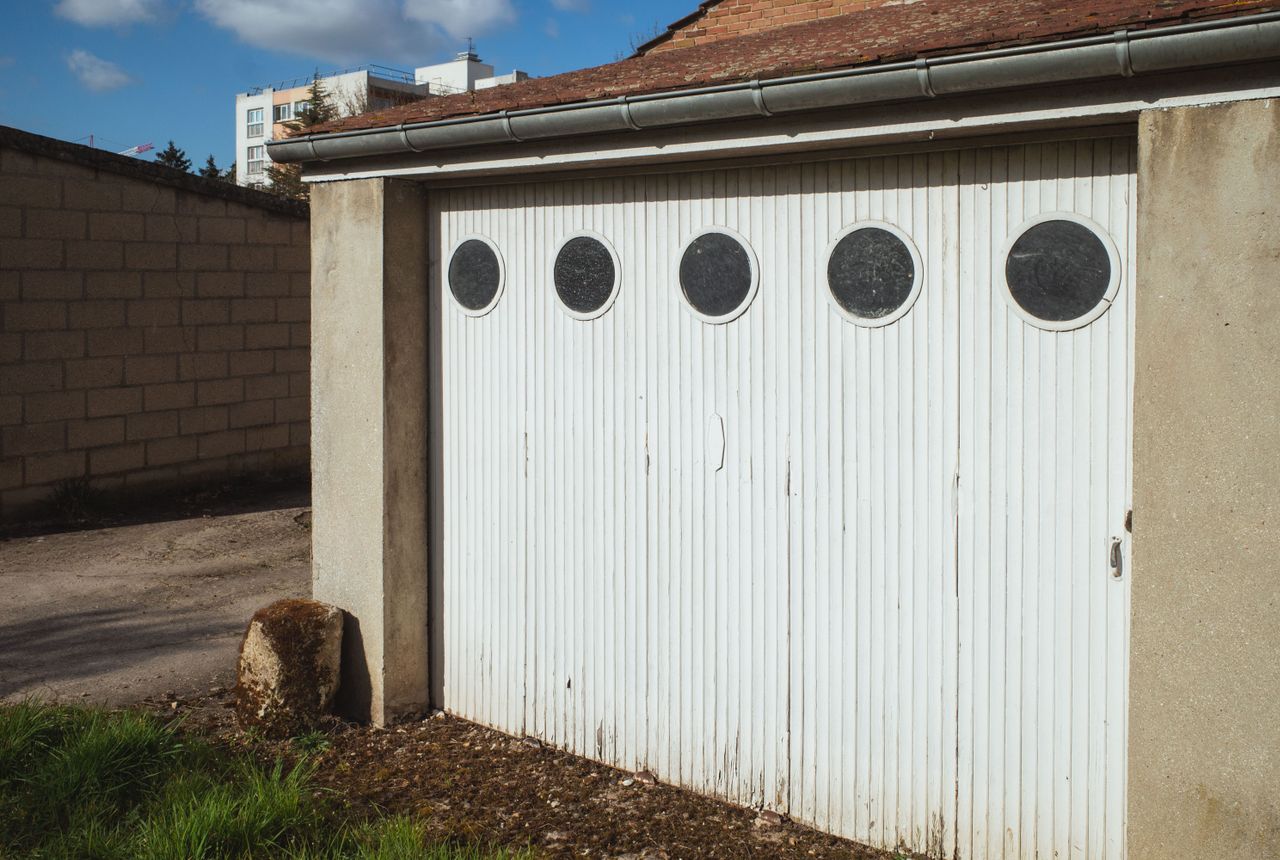
The mistake we see most in Vero Beach is treating every old door the same way. Most houses in the service area went up between 1969 and 2007, with the typical build year sitting around 1987, so a lot of the doors we're called out to see aren't ancient - they're middle-aged, and middle-aged is exactly when small problems get ignored until they aren't small. Owners either throw money at a door that's structurally done, replacing a cable here and a roller there for years, or they scrap a door that only needed one part because a neighbor told them 'these old ones are all junk.'
The honest split is about hardware versus panel. Springs, cables, rollers, and openers are wear items on any door regardless of age - they get replaced on their own schedule and that's a normal repair, not a sign the door is failing. The panel and track system is a different question. If the track is bent, the panel sections are dented past square, or the door is off the original 1980s-90s track width that newer springs and openers don't match well, that's when a repair stops making sense. Knowing which side of that line your door is on is the actual job, not a guess.
A door built into a house from the 1969-2007 window has usually seen one of two things: either it's the original door, now decades old, or it's a mid-life replacement installed sometime in the 1990s or 2000s on hardware sized for the original opening. Either way, the parts on it were never designed to be swapped piecemeal forever. Torsion springs from that era are often a non-standard wire size compared to what's stocked today, and the drums and end bearing plates can be a slightly different bolt pattern.
This matters because a repair on an older door sometimes turns into a longer job once we're inside it - not because we want to sell you more, but because the part that failed isn't the only part built to that spec. We won't know that until we've got the door open, and we tell you before we touch anything else. That's the honest limitation here: on a door this age, a quoted single-part fix can turn into a bigger conversation, and we'd rather say that up front than surprise you with it.
Vero Beach sits in a mild temperate band, and that cuts both ways for an older door. We don't get the freeze-thaw cycles that crack panel seams and snap springs cold in northern climates, so a door here can run longer on original hardware than the same door would somewhere with hard winters. That's the good news for a 1980s or 90s door still on its original torsion setup.
The trade-off is humidity, not cold. Steady moisture in the air works on steel over decades - springs lose tension more gradually than they'd snap outright, and hardware corrodes quietly at the fasteners and hinge pins rather than failing all at once. Across the 14 communities we cover, from Gifford three miles out to White City nineteen miles away, the bulk of the stock is 1980s and 90s construction, which means a lot of doors are sitting right in that slow-wear window - not old enough to be obviously done, but old enough that the spring tension and hinge play aren't what they were when the house was new. With 18,720 owner-occupied houses across the service area, that's a real number of doors currently in that gray zone, not a hypothetical.
We're not going to hand you a number here that doesn't hold up once we've actually looked at your door - a repair quote depends on which parts failed and whether the rest of the hardware is original or already replaced. What we can tell you is how to think about the decision. At a median household income of $65,809, most owners here are weighing a repair bill against a full replacement, not writing a blank check, and that's the right instinct.
The rule of thumb: if the failure is a spring, cable, roller, or opener, and the panels and track are still square, repair almost always wins - those are wear parts, and replacing them doesn't touch the rest of the door's life. If the track is bent, the panels are dented in more than one section, or you're chasing a third hardware failure in two years on a door from the older end of that 1969-2007 build window, the repair cost starts stacking up against a new door that won't need that attention again for a long while. We'll tell you which side of that line you're on before we start work, not after.
Possibly. A lot of houses in the Vero Beach service area date to the 1980s and 90s, and plenty still have their original door and torsion hardware. If nobody's replaced the springs or opener yet, it's worth having someone check tension and wear before something fails without warning.
It works on the hardware more than the panels. Vero Beach's mild climate spares doors the freeze-thaw cracking colder regions see, but steady humidity corrodes fasteners and hinge pins gradually and eases spring tension over time. That's usually a slow decline, not a sudden failure.
Check the panels and track first. If they're square and undamaged and the failure is a spring, cable, roller, or opener, repair almost always makes sense. If the track is bent or panels are dented in multiple spots, especially on an older door, replacement usually costs less over time.
Often, but not always. Torsion hardware from the 1980s and 90s sometimes uses spring wire sizes or bolt patterns that aren't the current standard, so a repair can occasionally take longer than expected once we're inside the door. We'll flag that before we start, not after.
Call now or request a free quote - same-day service on most repairs, upfront written pricing.